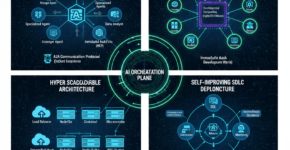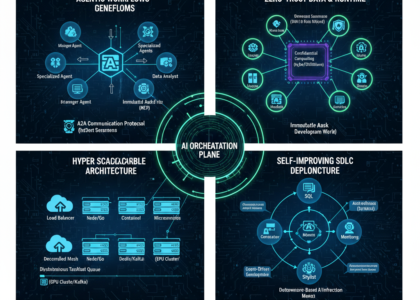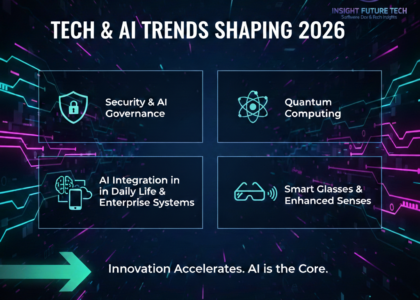

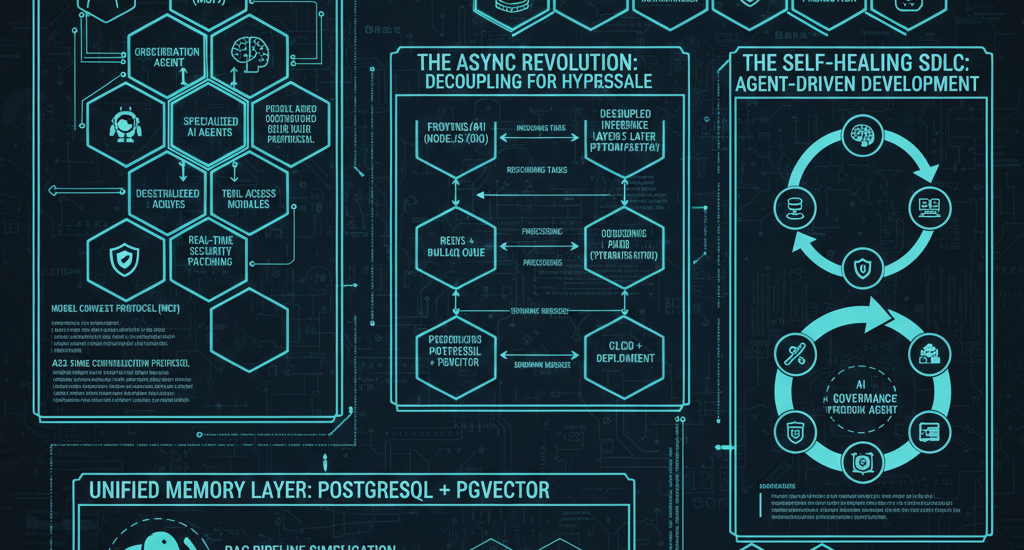
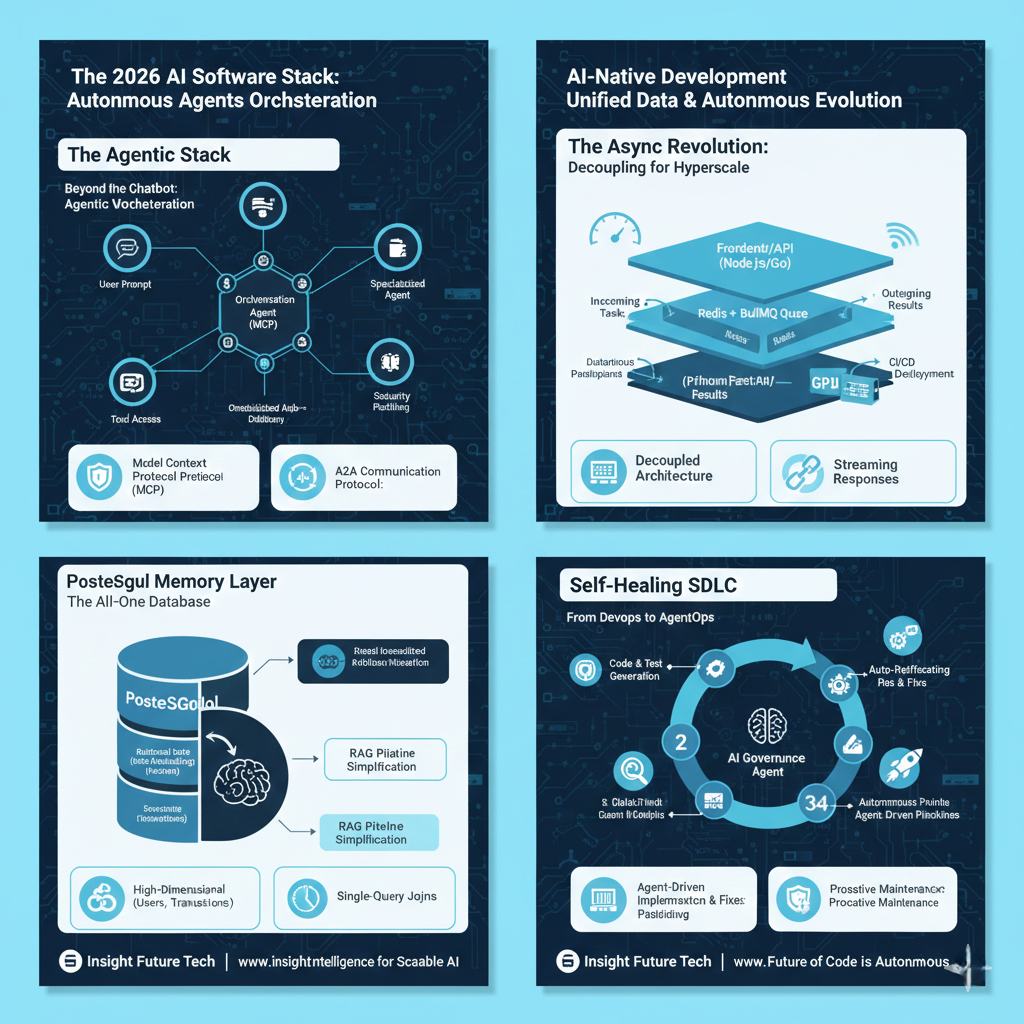
The ‘AI Wrapper’ era is officially over. Today’s scalable apps are built on the Agentic Stack, where AI doesn’t just suggest code it executes it. We explore the 2026 blueprint: using Model Context Protocol (MCP) to give agents secure access to local tools, and A2A (Agent-to-Agent) protocols for parallel task execution. Learn why the modern backend is no longer just an API, but an orchestration layer for specialized sub-agents handling everything from database migrations to real-time security patching
GPU time is the new gold, and if your frontend is waiting for an LLM to ‘think’ in real-time, your app won’t scale. This post breaks down the 2026 Scalability Blueprint: decoupling the ‘Fast’ serving layer (Node.js/Go) from the ‘Slow’ inference layer (Python/FastAPI). We dive into why Redis + BullMQ have become the ‘secret sauce’ for managing long-running agentic tasks, ensuring your UI stays snappy with streaming responses while the heavy lifting happens in isolated, auto-scaling containers
– Usama Aslam
In 2026, simplicity is a competitive advantage. The trend of managing separate vector databases has faded, replaced by the power of PostgreSQL + pgvector. We analyze how ‘Unified Memory’ allows developers to join traditional relational user data with high-dimensional embeddings in a single query. Discover how this architecture simplifies the RAG (Retrieval-Augmented Generation) pipeline, reduces infrastructure overhead, and provides the low-latency ‘long-term memory’ required for modern AI agents