


OpenAI has just released GPT-5.3-Codex, a model they claim was ‘instrumental in creating itself.’ This marks a critical moment for the technological singularity. We dive into how the Codex team used early versions to debug their own training and manage deployments. For software engineers, the game has changed: the model is now 25% faster and capable of reasoning through complex, PhD-level software engineering tasks autonomously. Discover what this ‘self-improving’ loop means for the future of SaaS and internal dev cycles
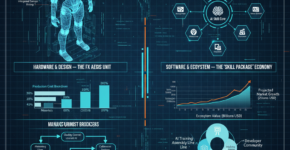
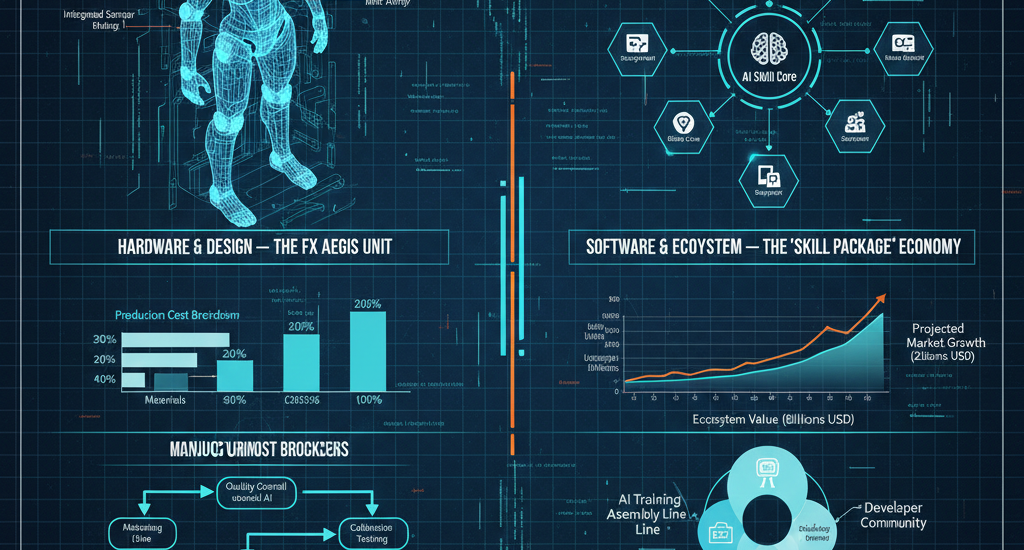
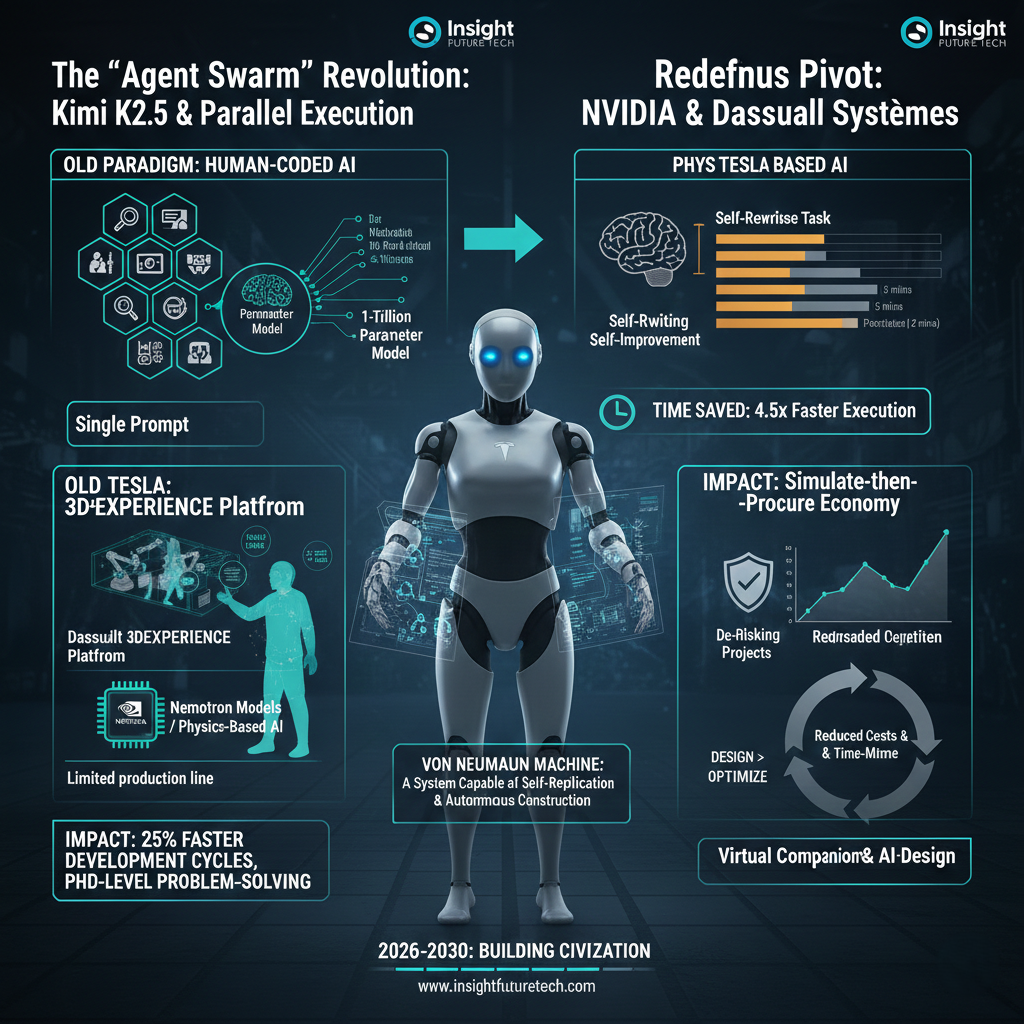
Elon Musk shocked investors this week by announcing the end of Model S and X production to repurpose Tesla’s Fremont factory for the Optimus humanoid robot. Musk’s goal? To create the first ‘von Neumann machine’ a robot capable of building civilization itself. We analyze the 2026 roadmap to 50,000 units and how Tesla’s ‘Observe and Learn’ software is attempting to reach human-level proficiency in industrial labor by year’s end
– Usama Aslam
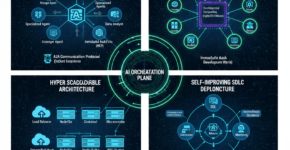
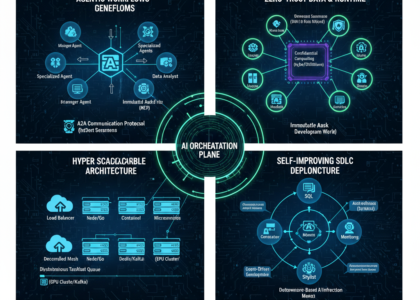
Single-agent AI is becoming a thing of the past. Moonshot AI’s Kimi K2.5 has just launched with a 1-trillion parameter model featuring ‘Agent Swarm.’ This architecture allows a single prompt to coordinate up to 100 specialized sub-agents simultaneously. We explore how this technology turns hours of complex data analysis and frontend coding into mere minutes, and why its 2-million token context window is setting a new industry standard for enterprise-scale tasks